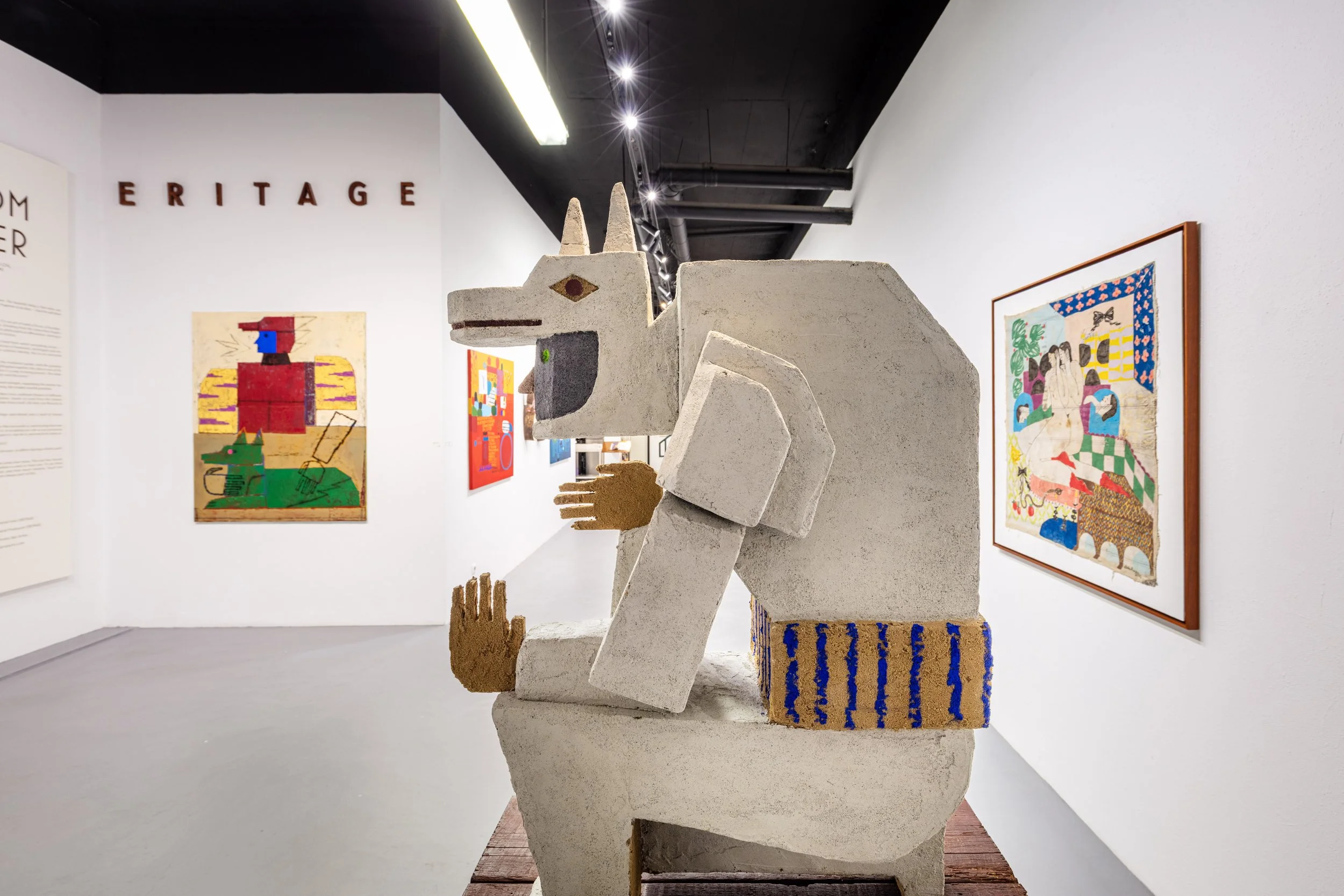
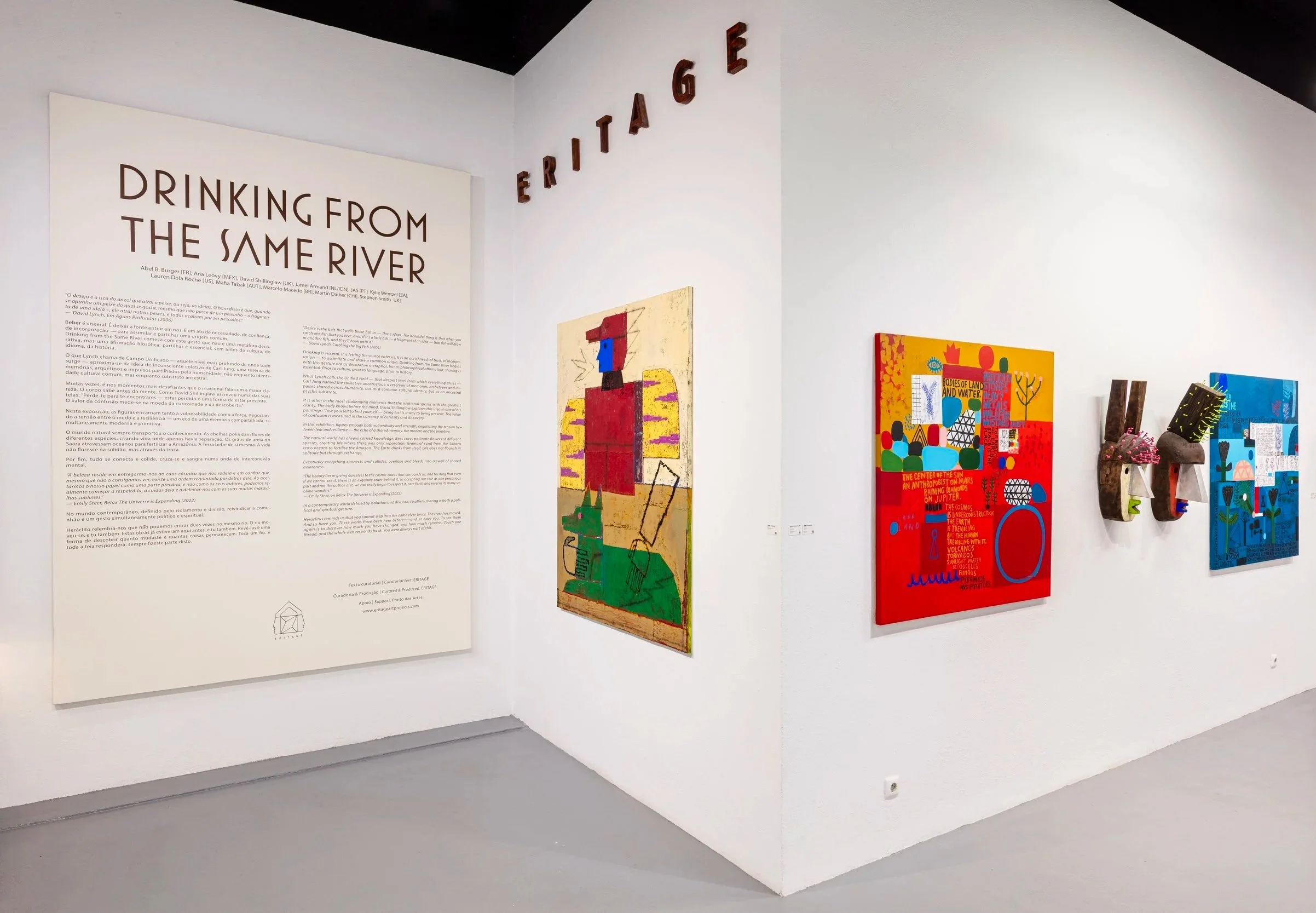
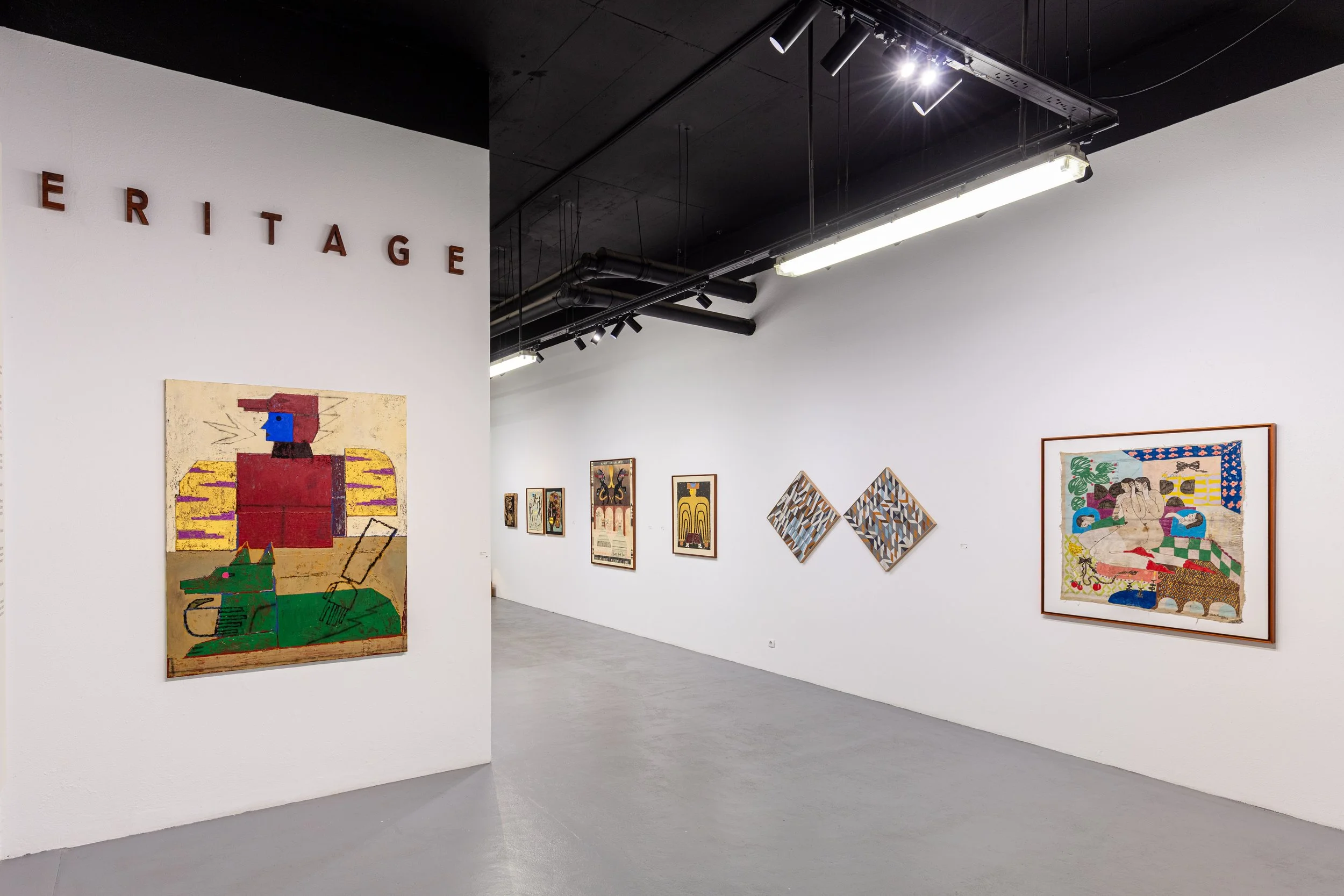
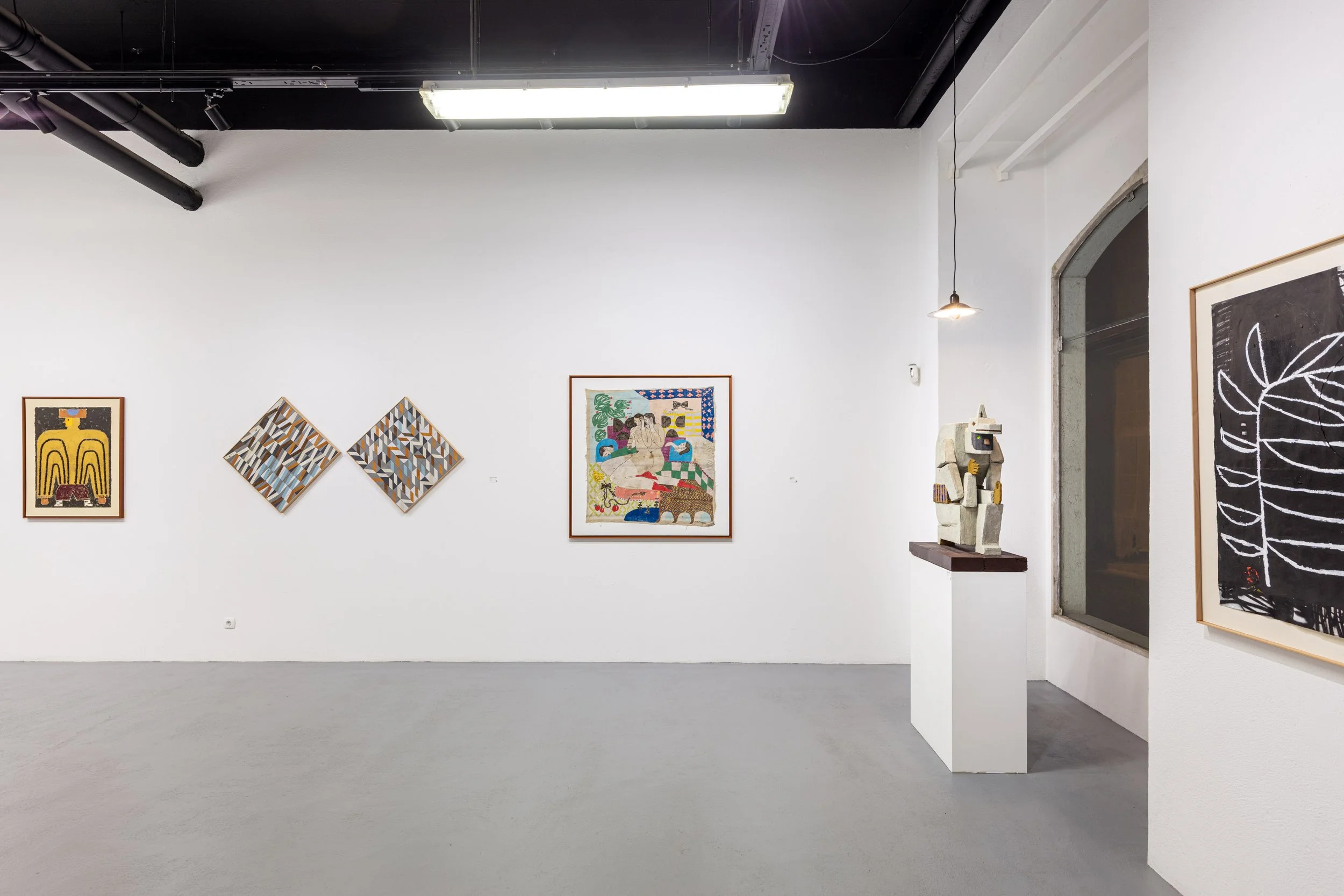
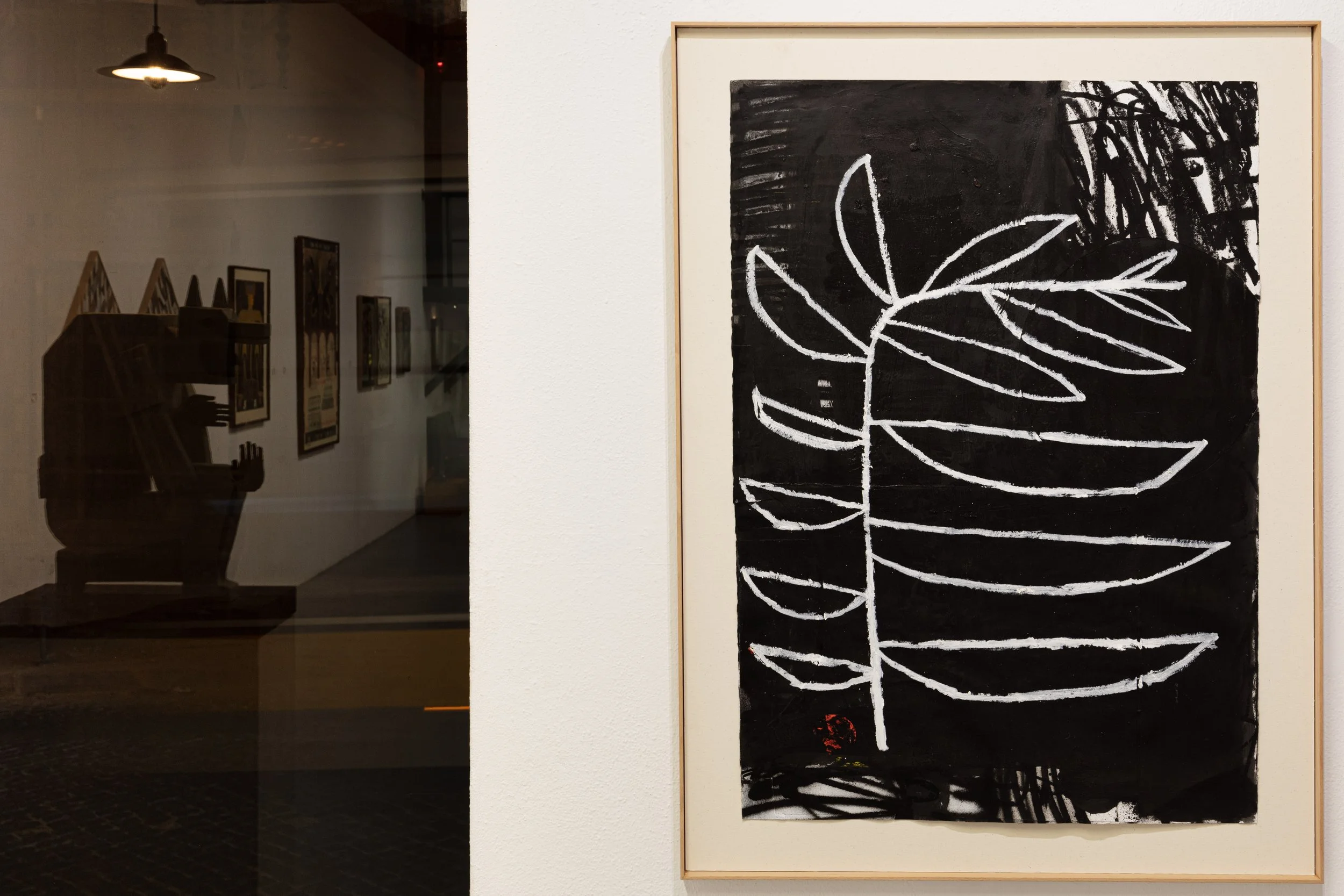
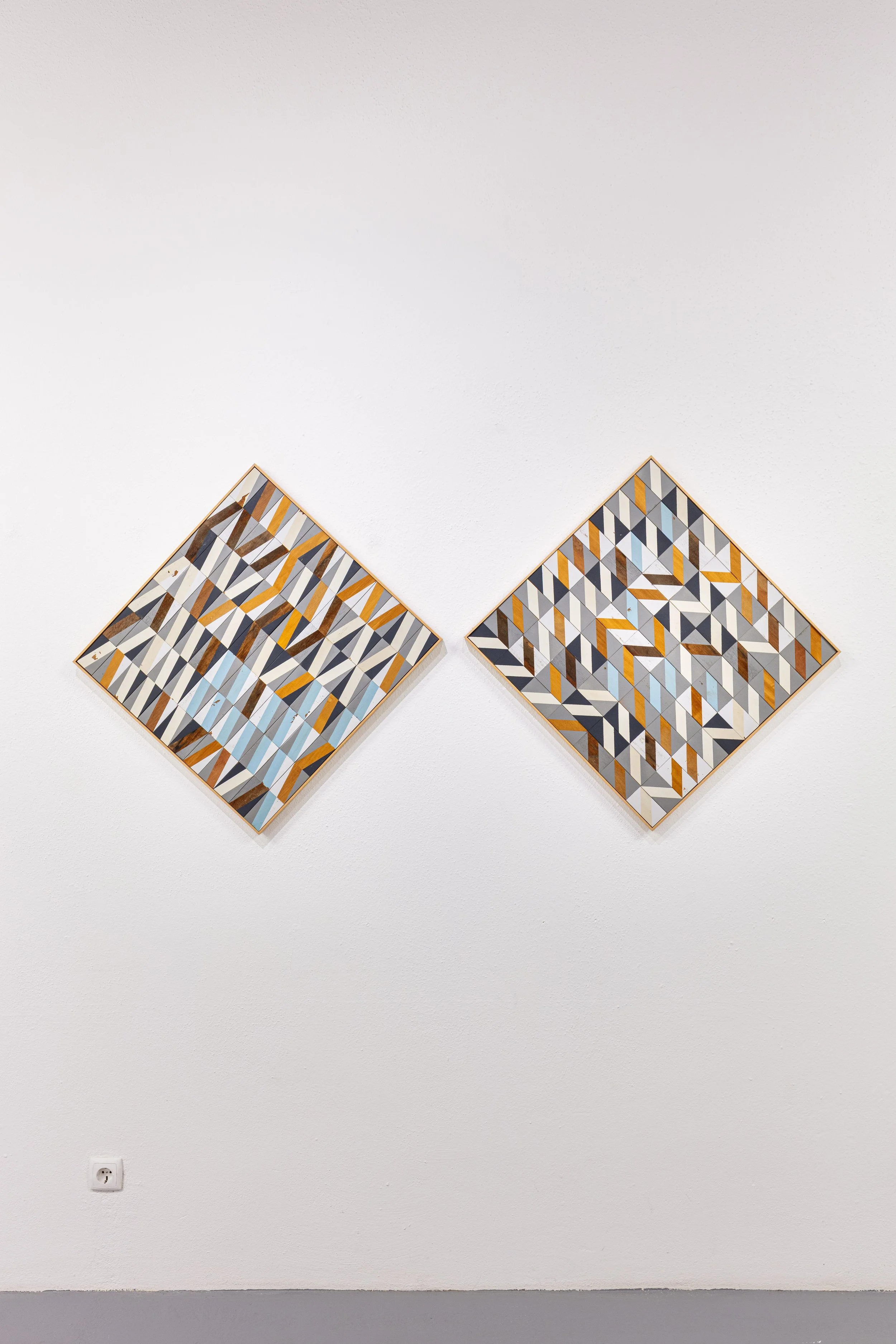
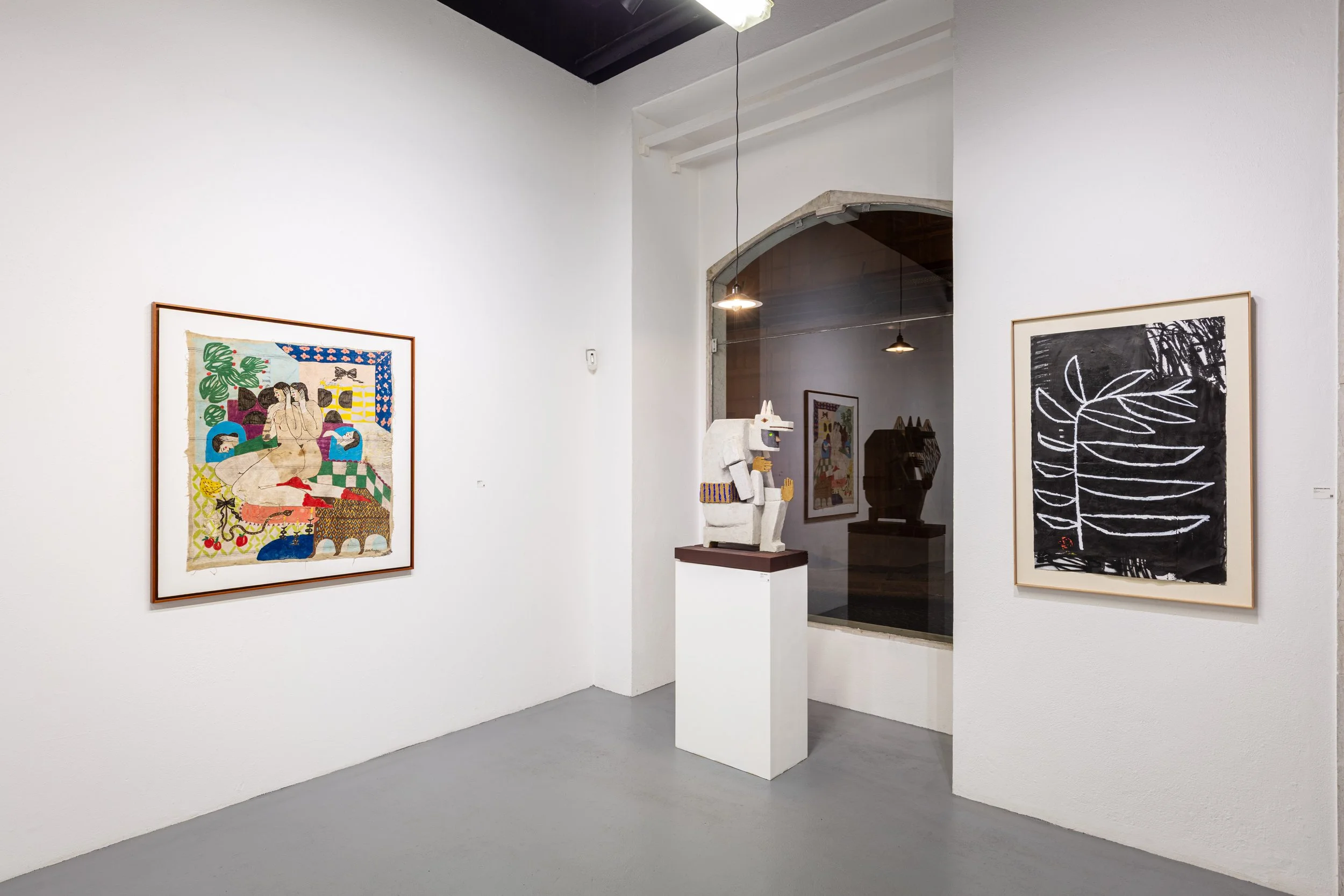
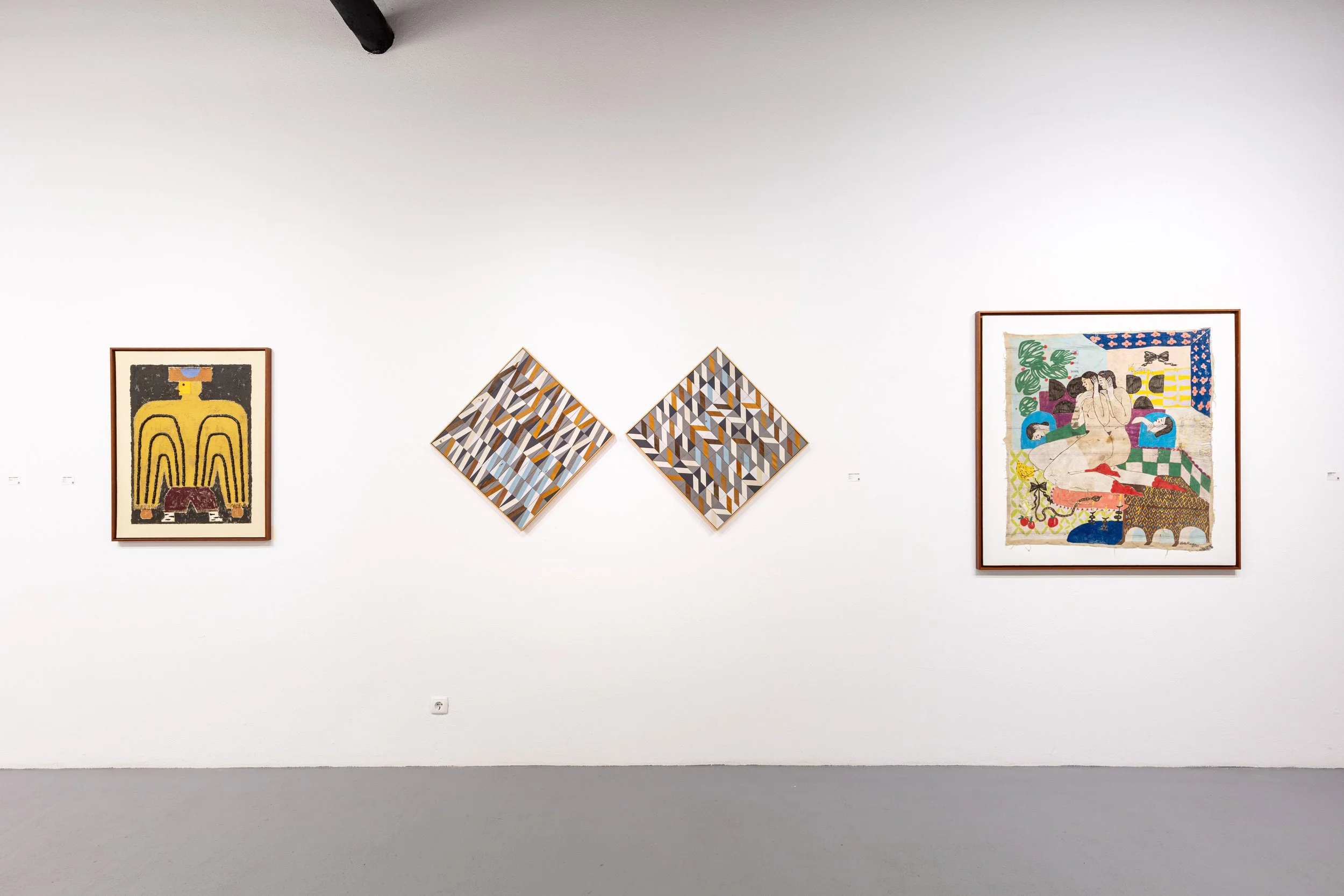
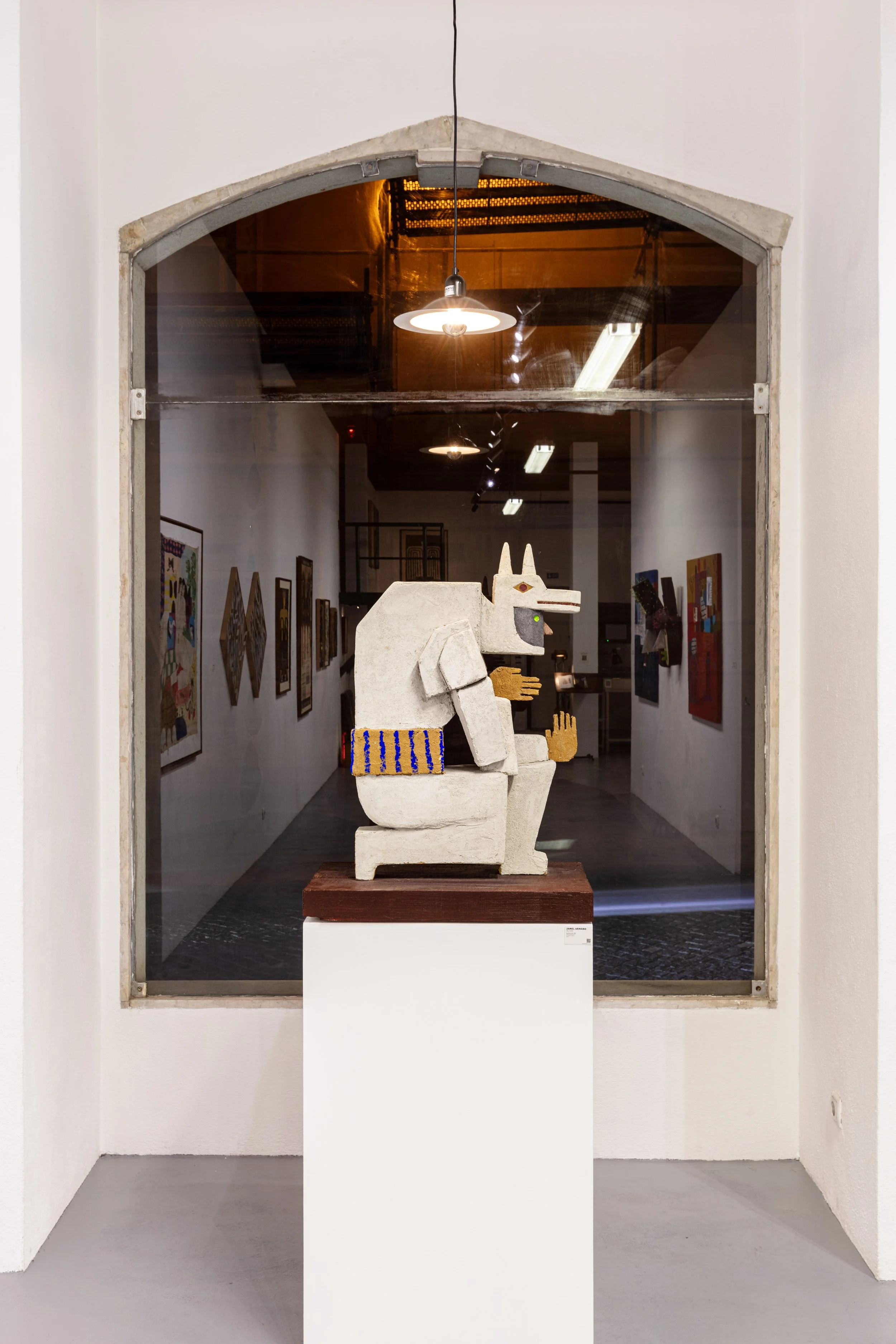
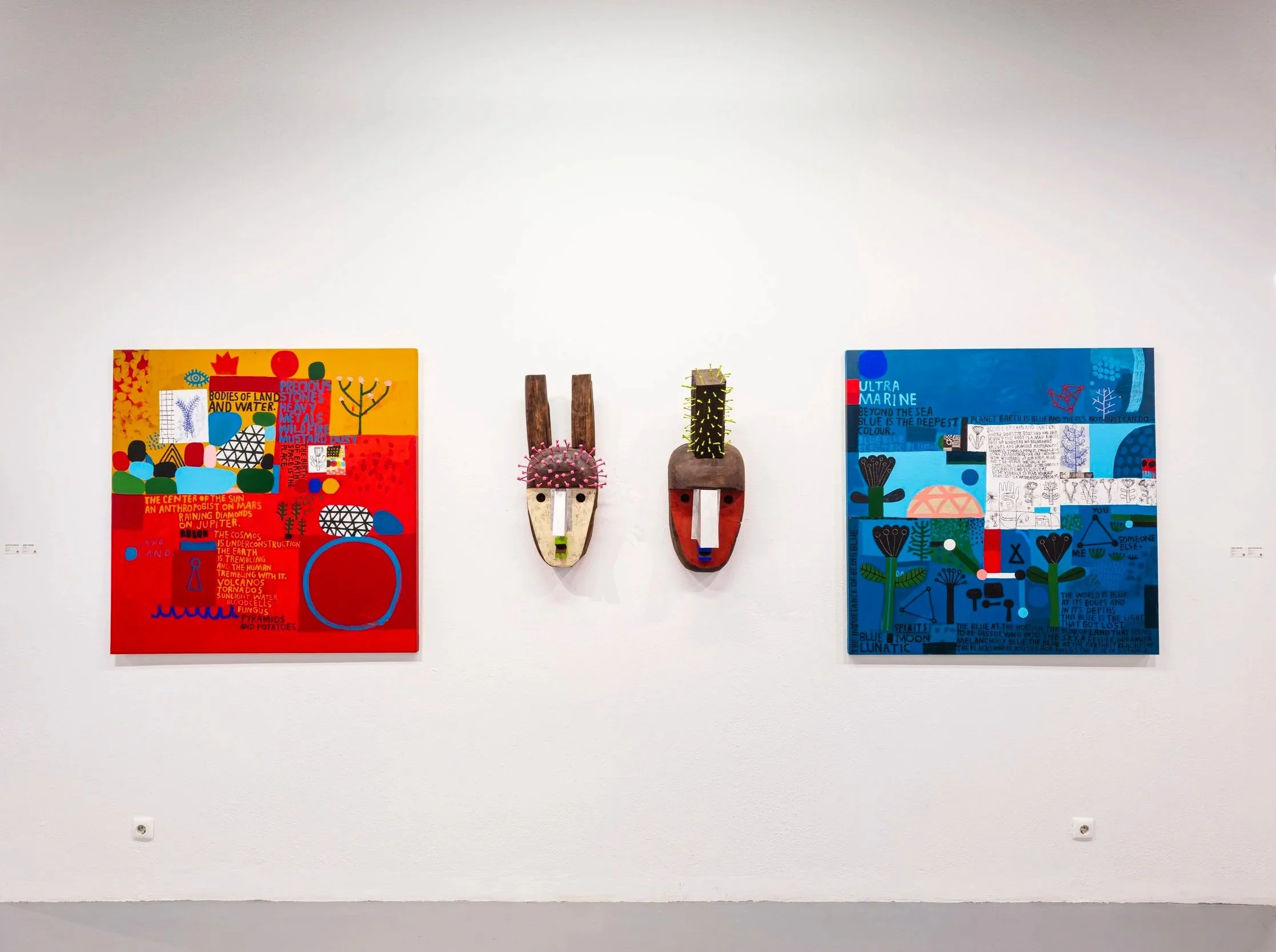
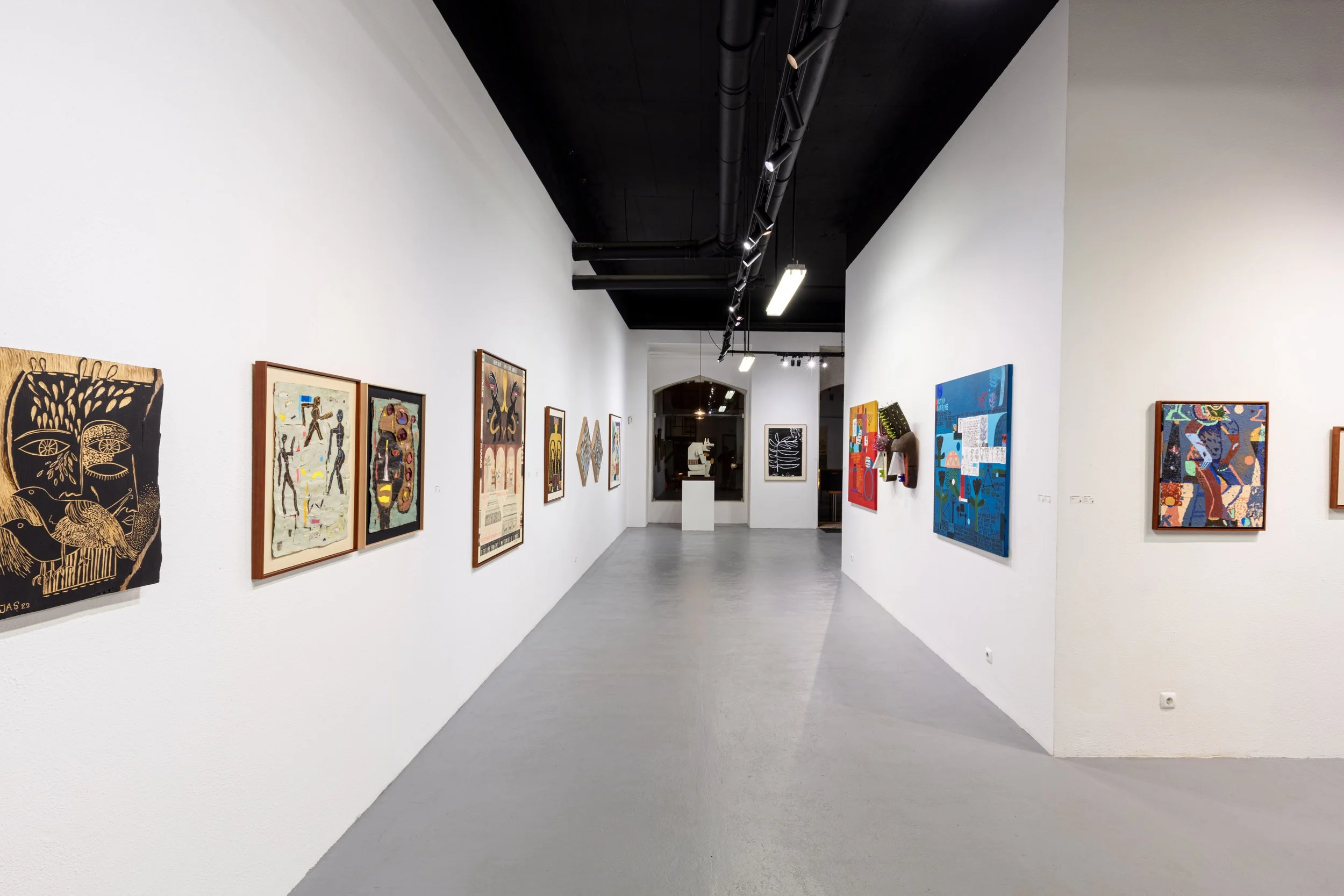
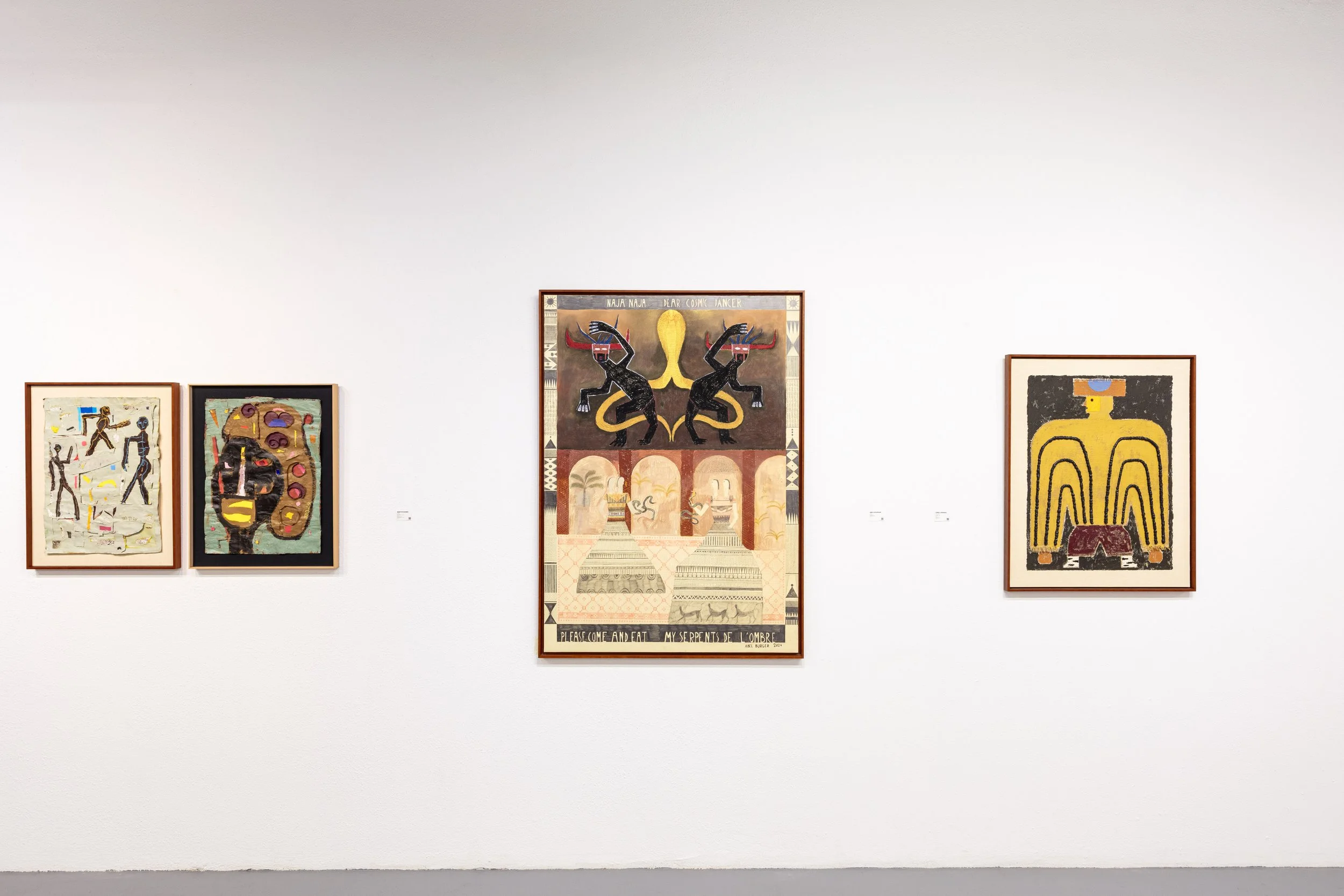
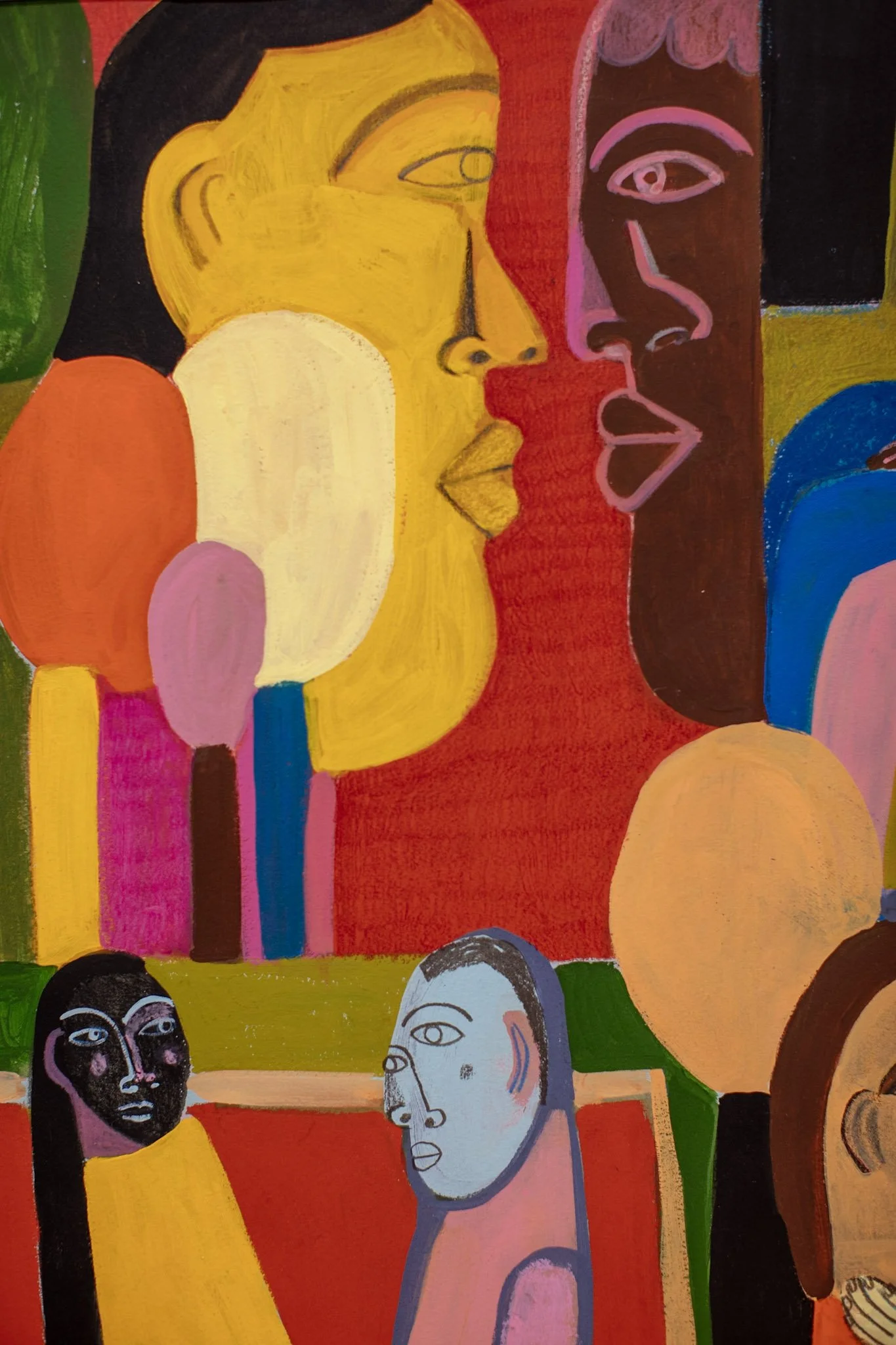
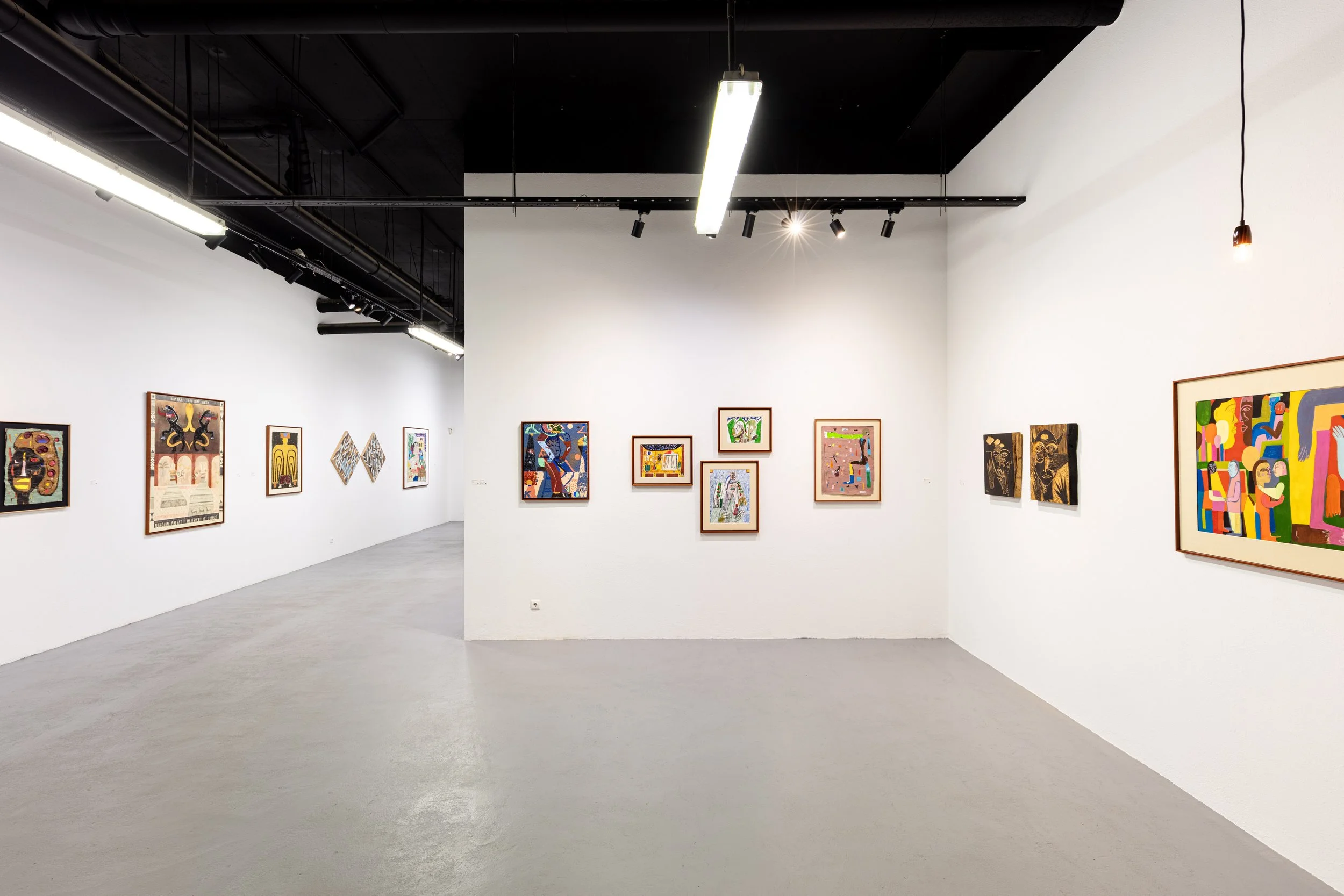
Abel B. Burger [FR] · Jamel Armand [NL / IND] · Kylie Wentzel [ZA] · Mafia Tabak [AUT] · Martin Daiber [CHI] · Stephen Smith [UK] · David Shillinglaw [UK] · Jas [PT] · Marcelo Macedo [BR] · Ana Leovy [MEX] · Lauren dela Roche [US]
GROUP SHOW
"Desire is the bait that pulls those fish in — those ideas. The beautiful thing is that when you catch one fish that you love, even if it's a little fish — a fragment of an idea — that fish will draw in another fish, and they'll hook onto it."
— David Lynch, Catching the Big Fish (2006)
Drinking is visceral. It is letting the source enter us. It is an act of need, of trust, of incorporation — to assimilate and share a common origin. Drinking from the Same River begins with this gesture not as decorative metaphor, but as philosophical affirmation: sharing is essential. Prior to culture, prior to language, prior to history.
What Lynch calls the Unified Field — that deepest level from which everything arises — Carl Jung named the collective unconscious: a reservoir of memories, archetypes and impulses shared across humanity, not as a common cultural identity, but as an ancestral psychic substrate. Whether understood as the collective unconscious, a field of shared perception, or simply the inheritance of being human, this common depth precedes language, nation and biography.
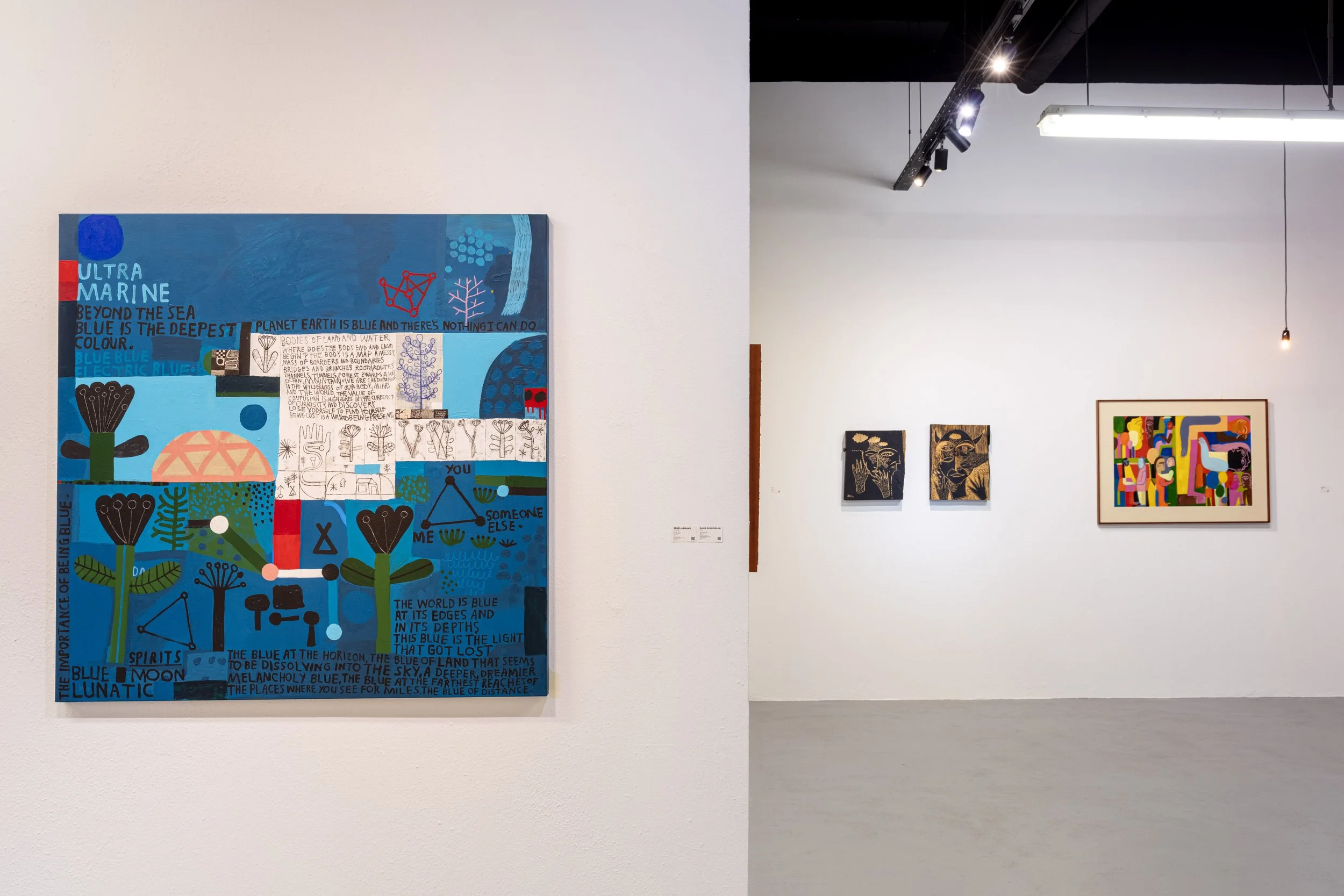
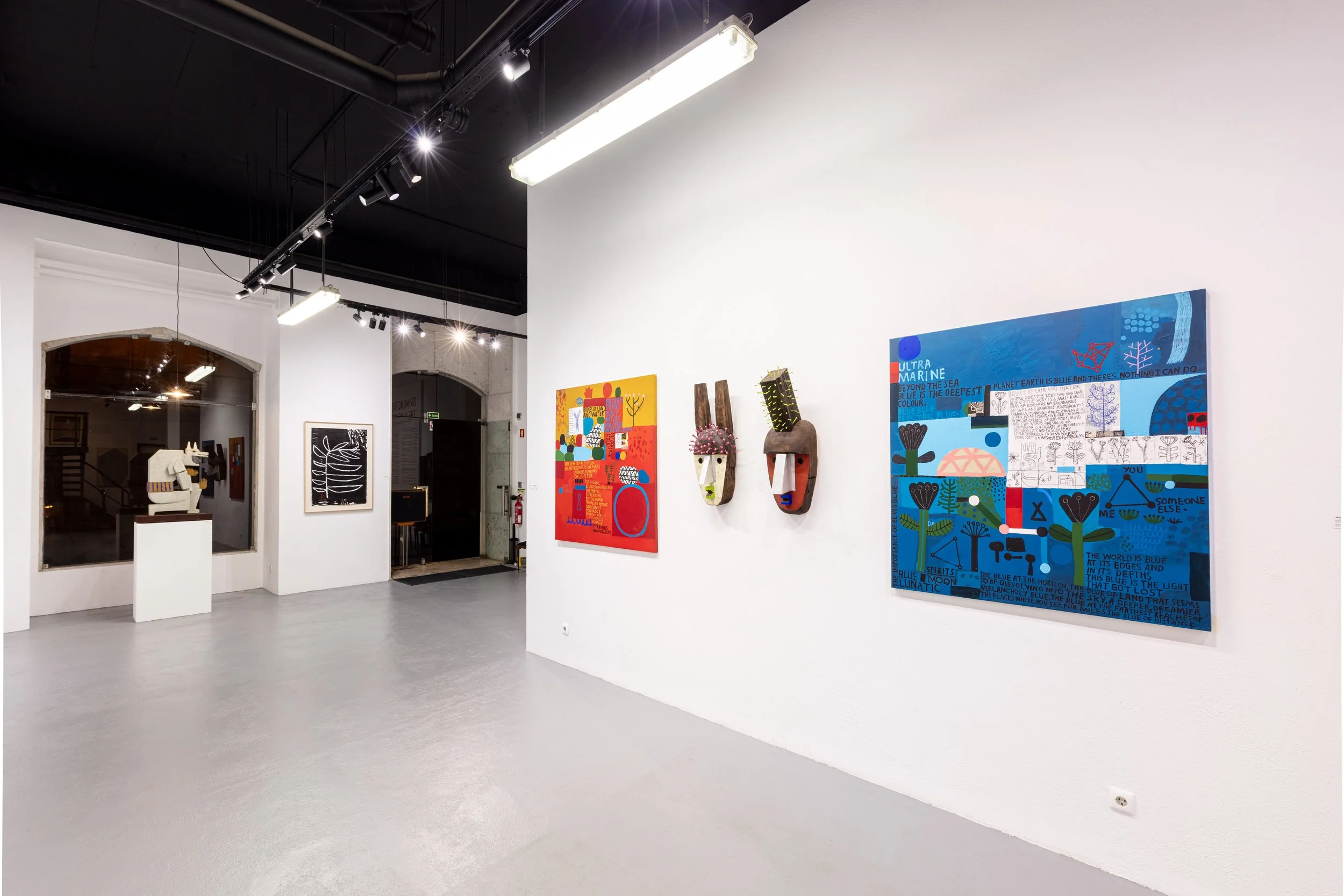
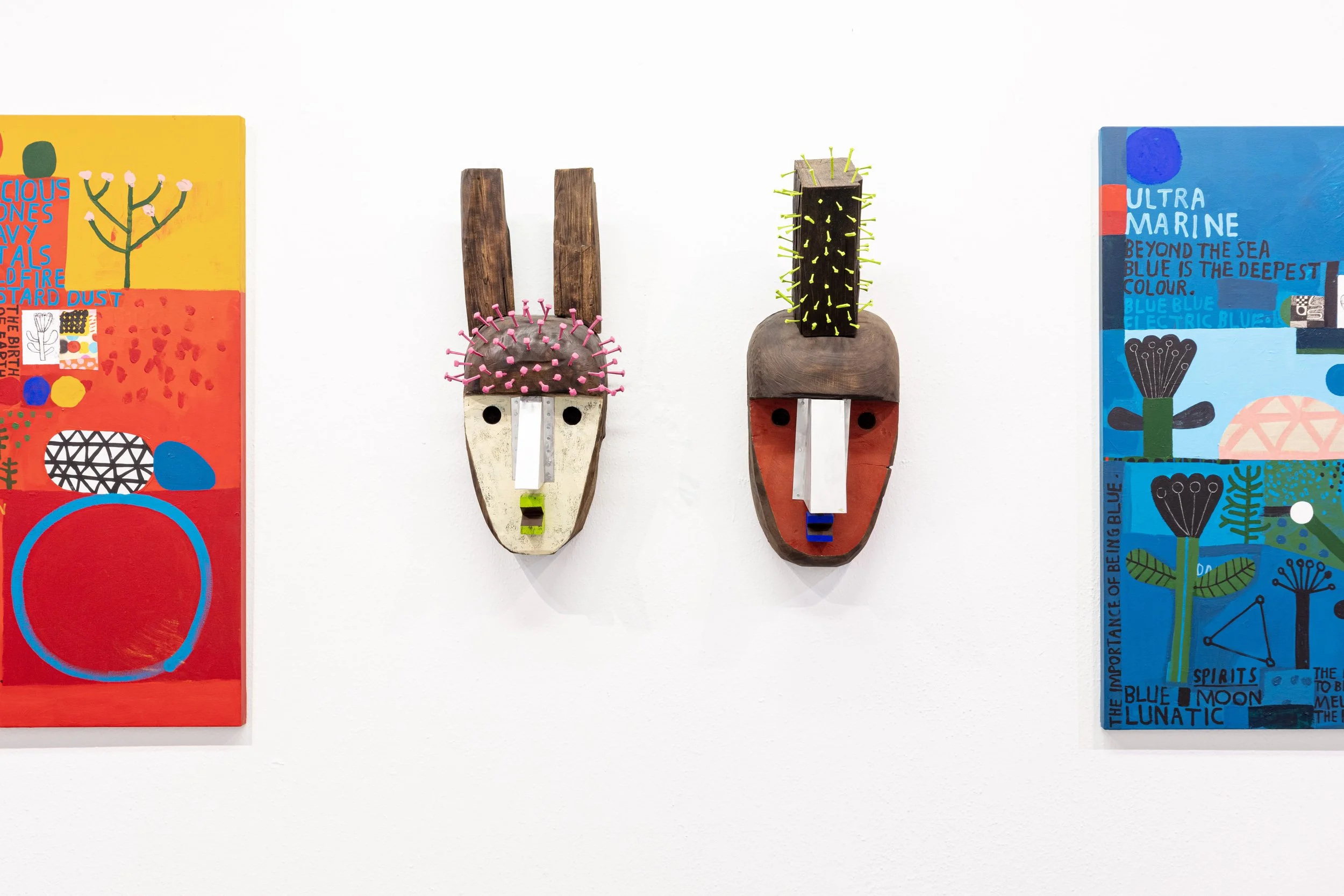
It is often in the most challenging moments that the irrational speaks with the greatest clarity. The body knows before the mind. As David Shillinglaw writes inside one of his canvases: "lose yourself to find yourself — being lost is a way to being present. The value of confusion is measured in the currency of curiosity and discovery."
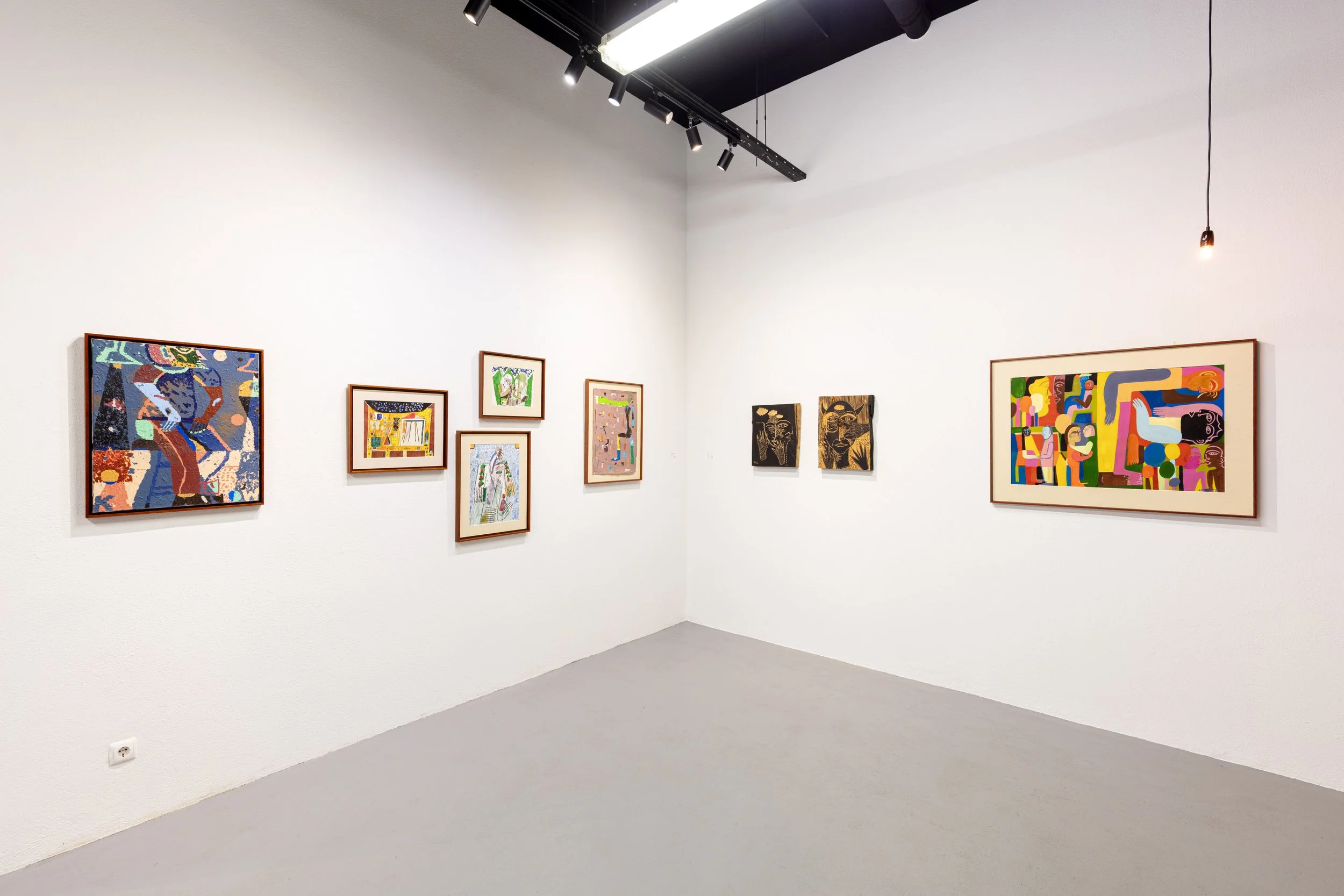
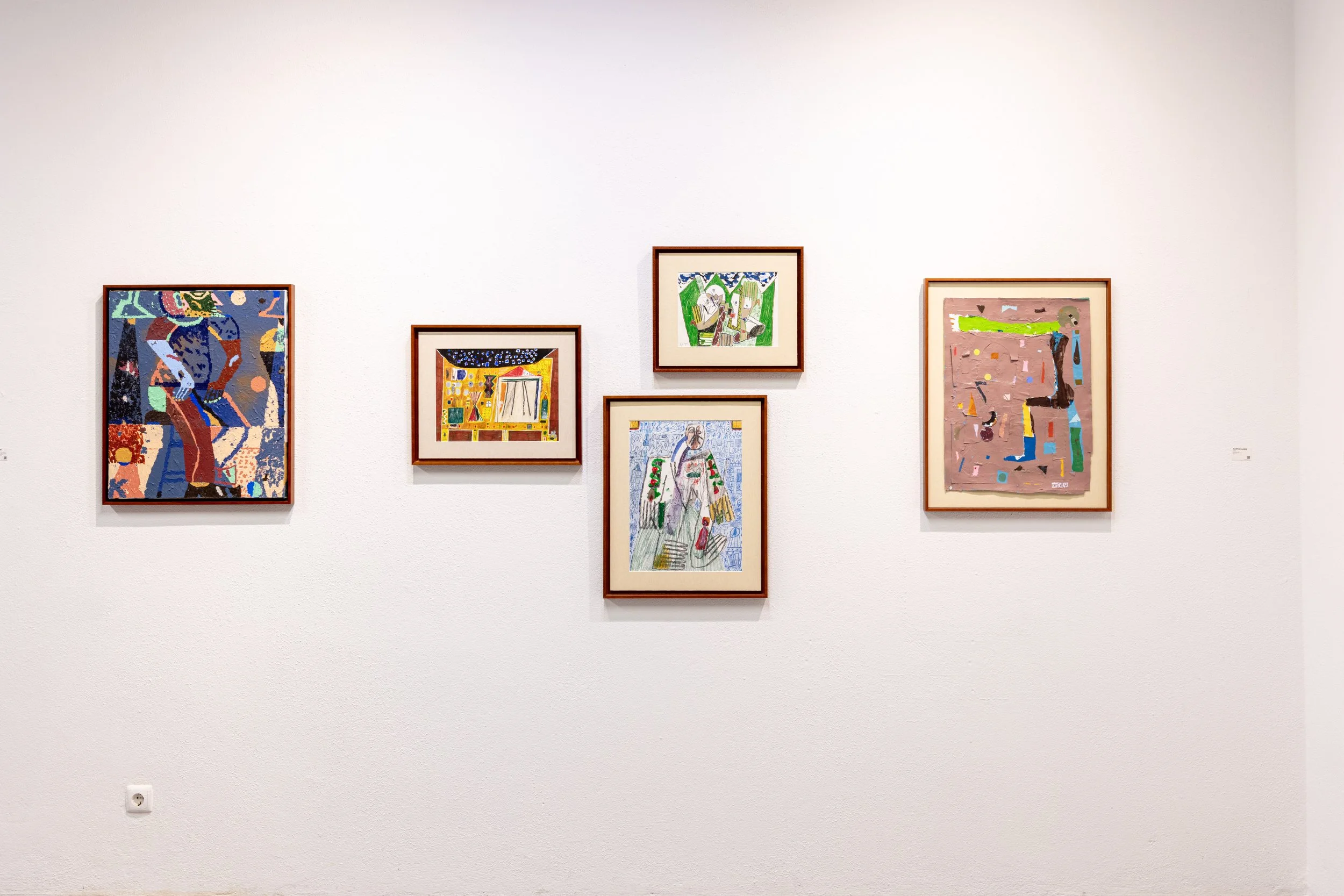
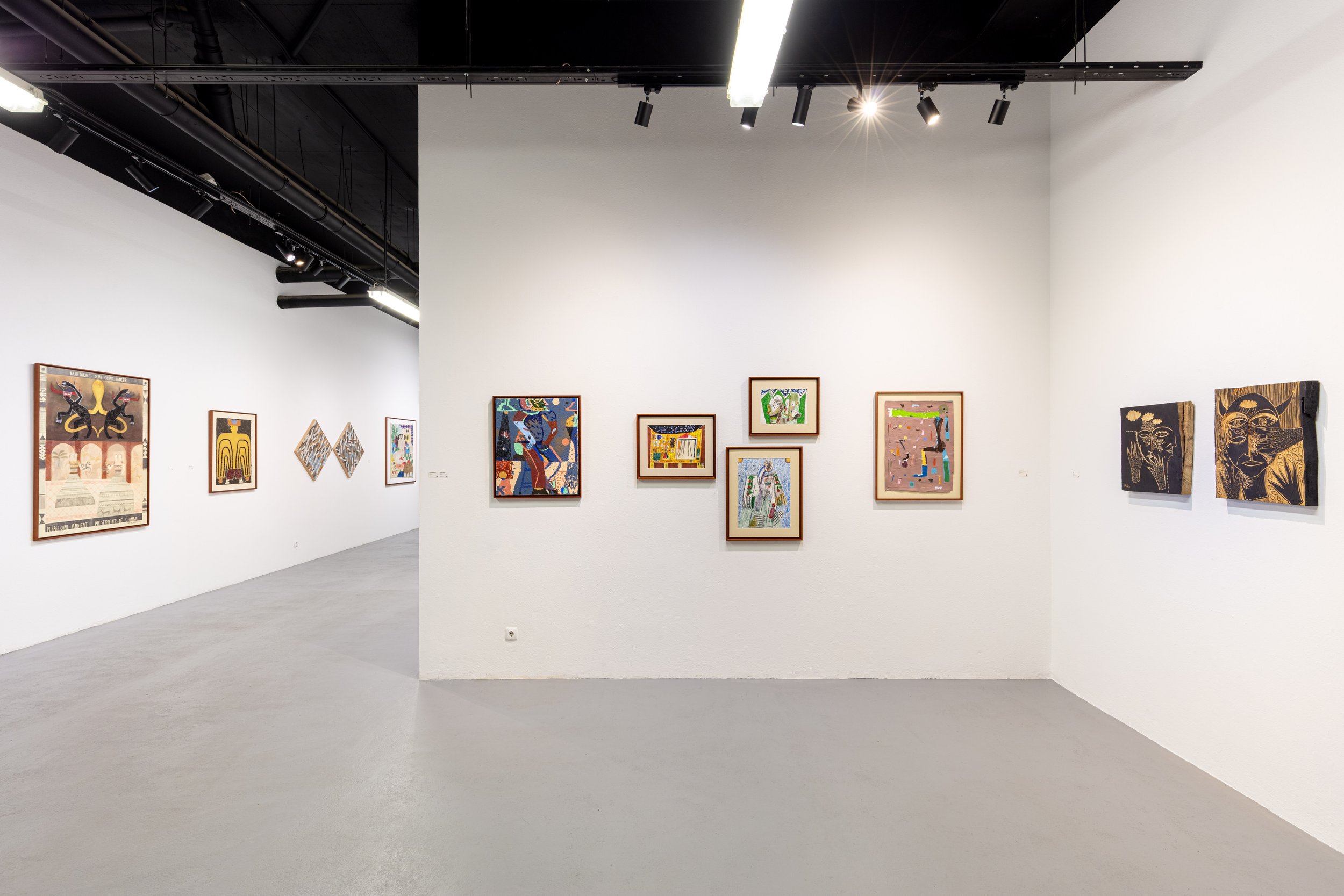
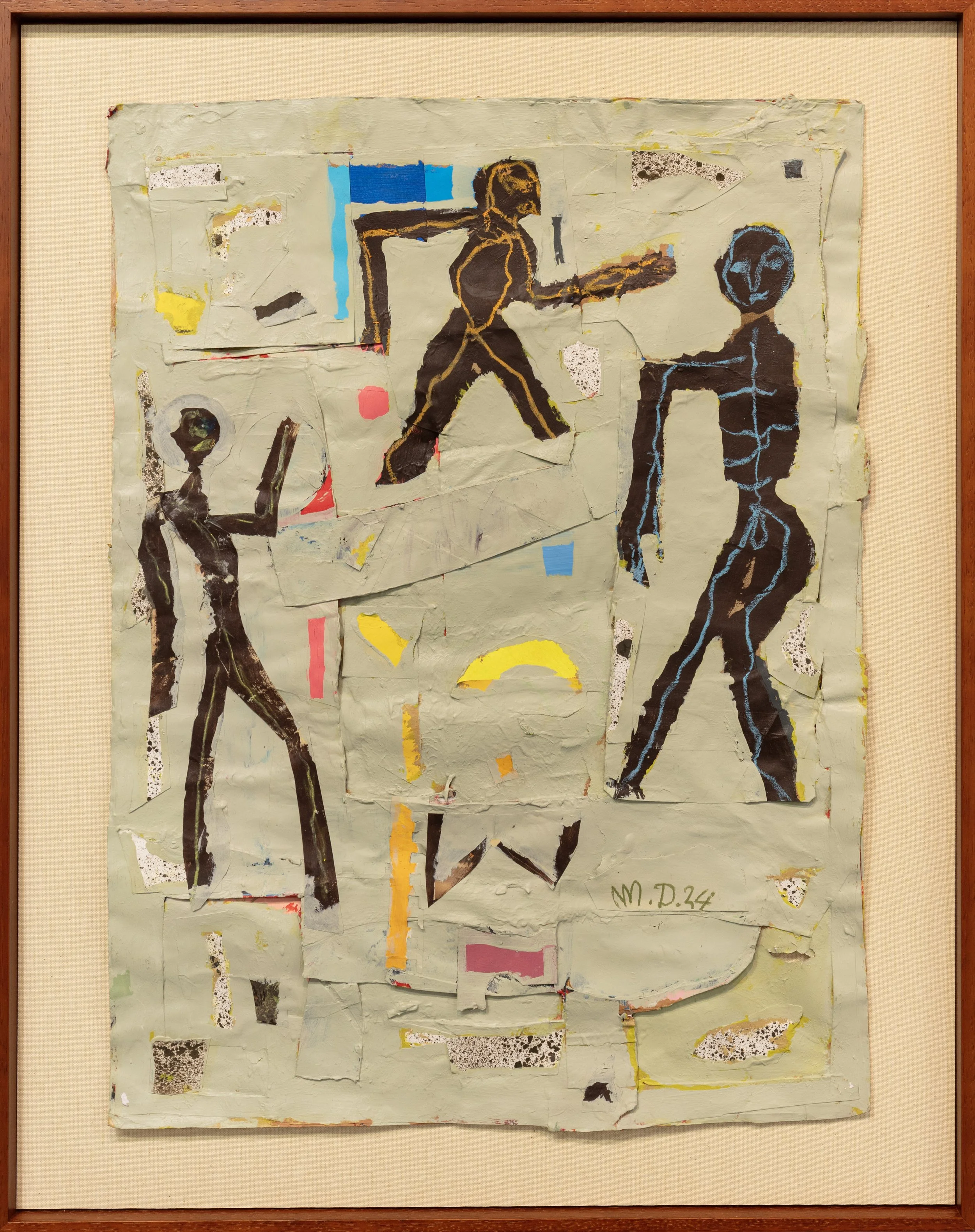
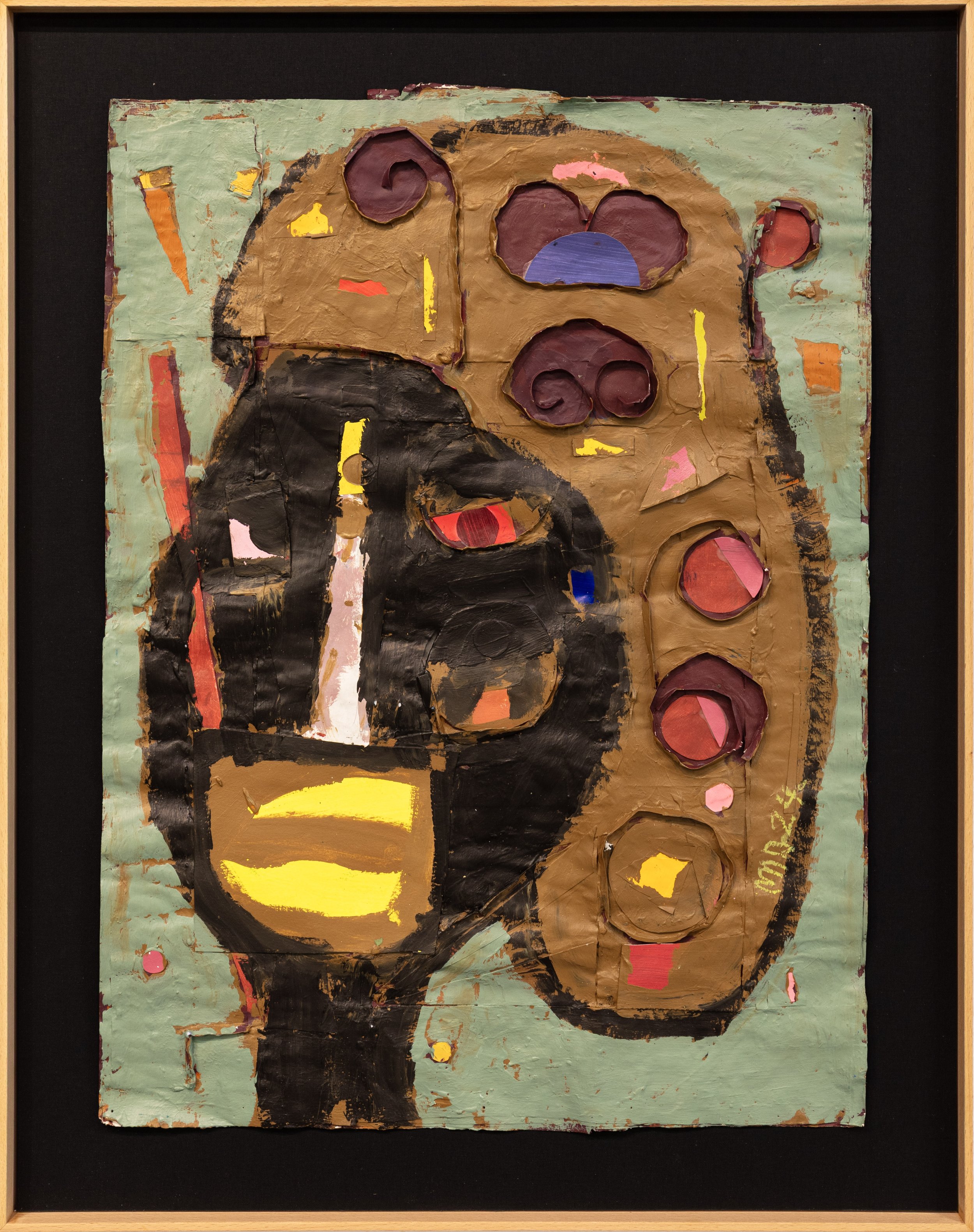
In this exhibition, figures embody both vulnerability and strength, negotiating the tension between fear and resilience — the echo of a shared memory, the rational and the primitive.
Eventually everything connects and collides, overlaps and bleeds into a swell of shared awareness. In a fragmented and disrupted world, it may be through our own states of play that we throw ourselves into new experiences to continuously shape our authentic self.
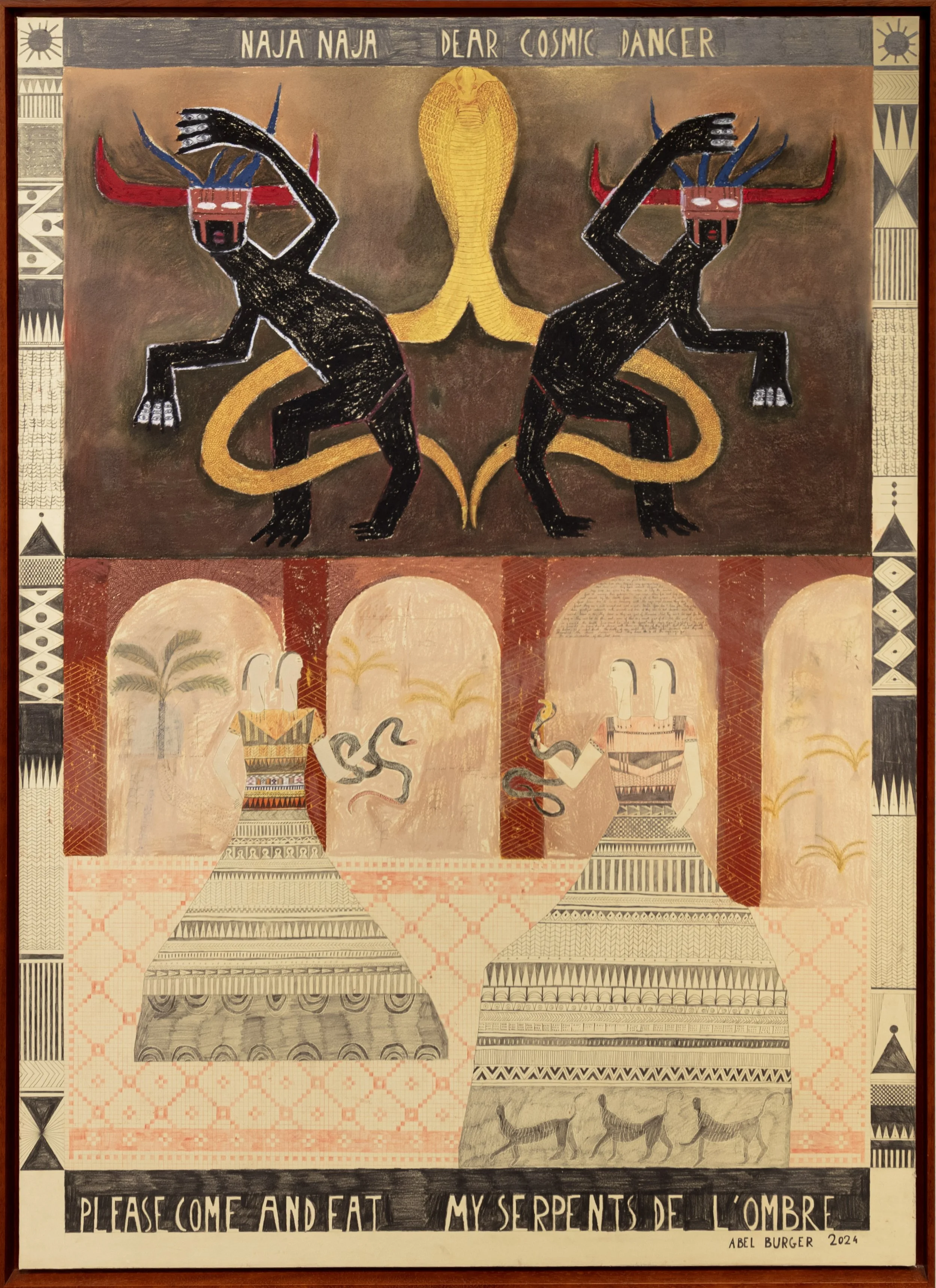
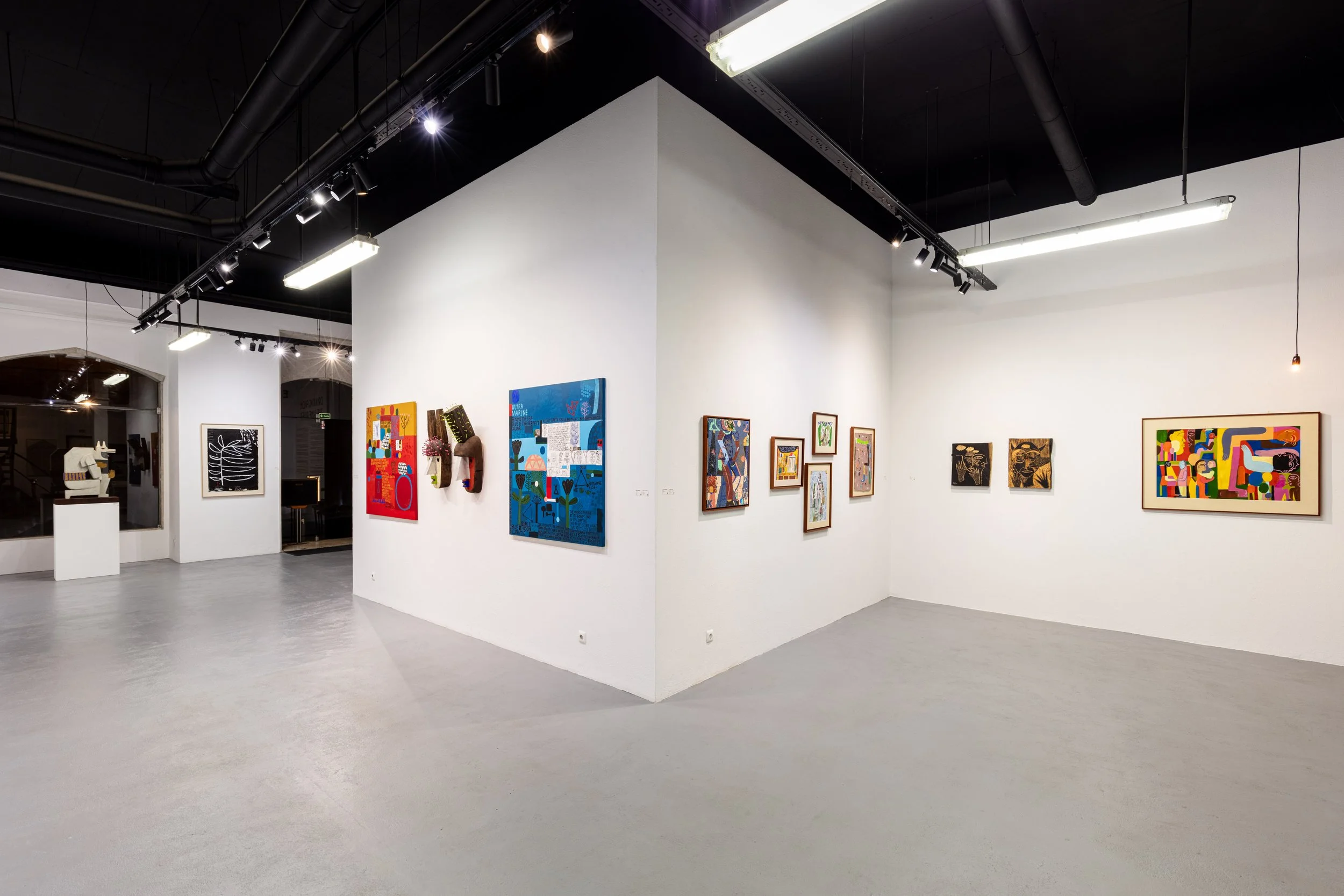
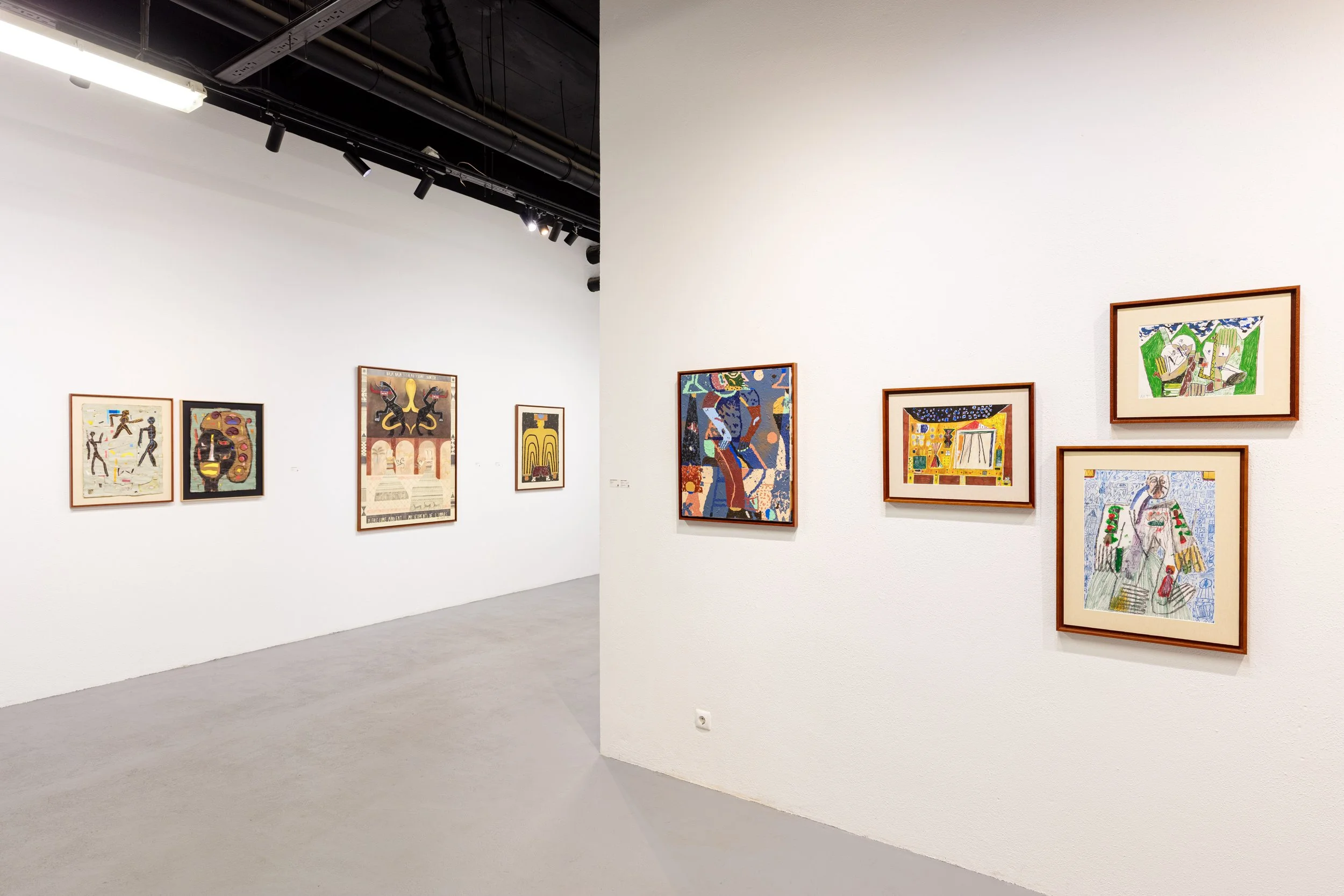
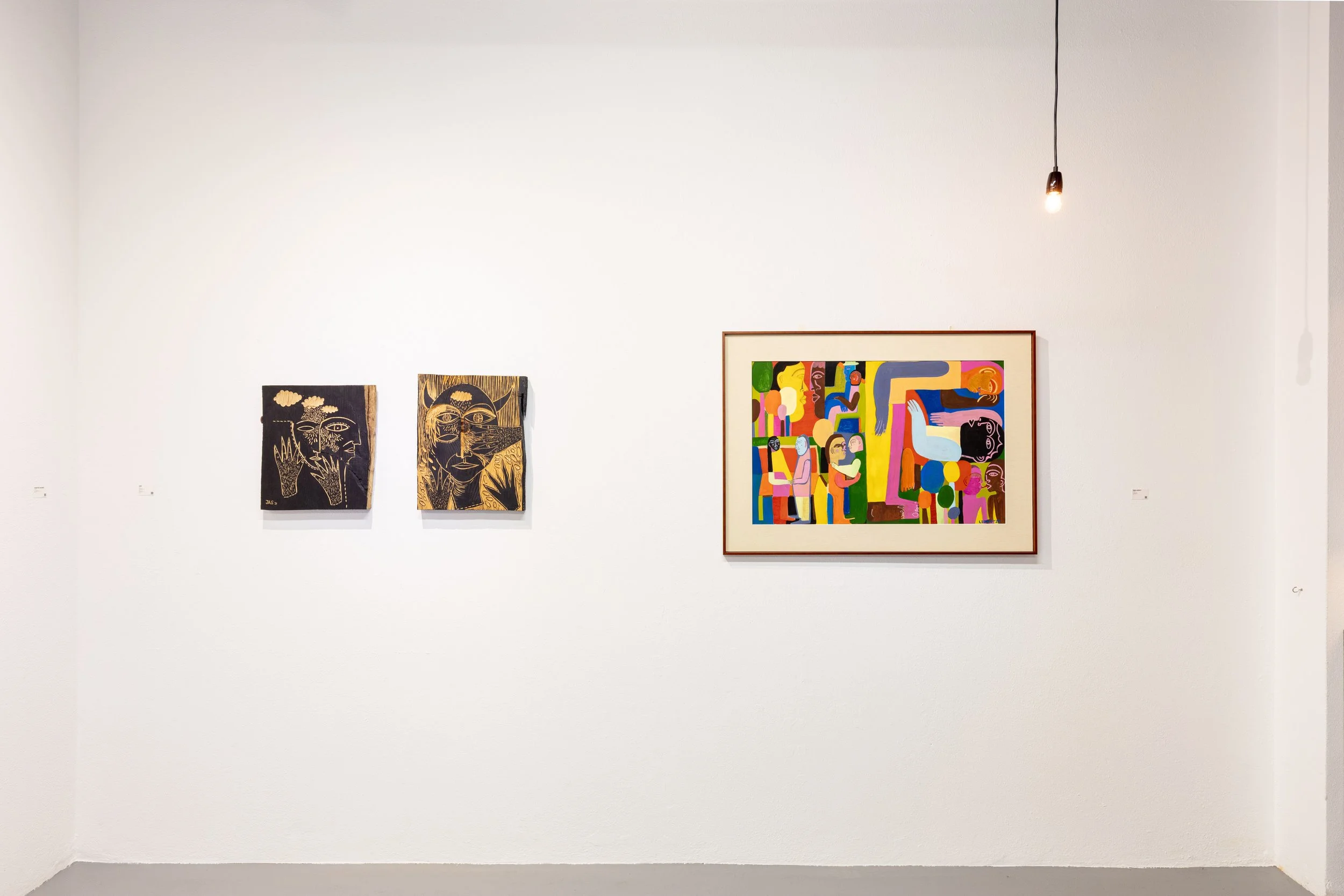
The title proposes that artists working across different geographies and histories may nevertheless draw from a shared reservoir of images, intuitions and desires. Each digs their own well — with their own tools, language and memory — yet the water that rises belongs to the same river.
The exhibition invites us to recognise this foundation: that moment when, standing before a work created thousands of kilometres away, something resonates as familiar. Not exoticism made comprehensible, but a familiarity that had previously gone unnamed.
The natural world has always carried the knowledge. Bees cross-pollinate flowers of different species, creating life where there was only separation. Grains of sand from the Sahara cross oceans to fertilise the Amazon. The Earth drinks from itself. Life does not flourish in solitude but through exchange. Ecosystems, climates and species emerge through relations of interdependence that continually dissolve the boundaries between self and environment.
What appears separate is often sustained by invisible relations. Ecological systems, cultural histories and human imagination are formed through networks of exchange that exceed individual experience. The universal, in this sense, is not the erasure of difference but the recognition of a deeper continuity beneath it.
"The beauty lies in giving ourselves to the cosmic chaos that surrounds us, and trusting that even if we cannot see it, there is an exquisite order behind it. It is perhaps only in fully giving ourselves up to the world, in accepting our role as one precarious part and not the author of it, that we can really begin to respect it, care for it, and revel in its many sublime wonders."
— Emily Steer, on Relax The Universe is Expanding (2022)
Paul Klee observed that all artists are telling one aspect of the same story, and that their role is to bring these fragments together in the hope of revealing a fuller picture of human experience. Art, in this sense, becomes the transmission of a memory larger than any individual life — one carried across generations, cultures and territories.
This text also drinks from many sources — from Lynch, Jung, Steer, Klee and Heraclitus — none of them speaking in agreement, all of them speaking to the same thirst.
In a contemporary world defined by isolation and division, to affirm sharing is both a political and spiritual gesture. The Eritage collection, built over six years with artists from multiple cultures, is after all a single account told in many voices. One fish drawing in another. Until the whole thing emerges.
Heraclitus reminds us that you cannot step into the same river twice. The river has moved. And so have you. These works have been here before — and so have you. To see them again is to discover how much you have changed, and how much remains. Your memories, your losses, your wonder are part of this collective memory too. Touch one thread, and the whole web responds back. You were always part of this.
curatorial text: ERITAGE
…